
Understanding PCR Technology: A Complete Guide for Modern Laboratories
Lab Tips & Best Practices
November 16, 2025
Mpagi Ronald
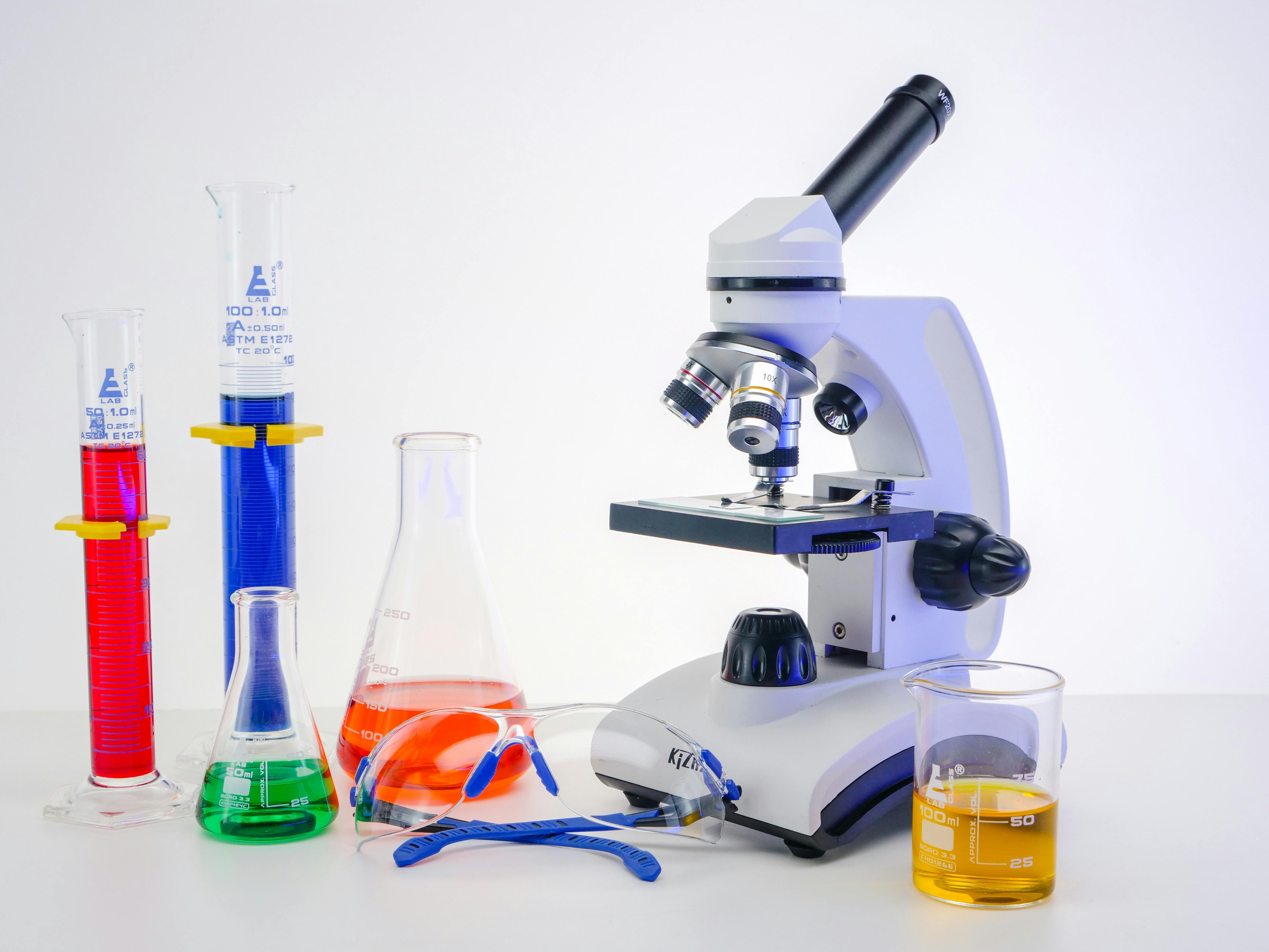
Polymerase Chain Reaction (PCR) technology has become an indispensable tool in modern molecular diagnostics, research, and clinical laboratories. At Science Logistics Limited, we provide comprehensive PCR solutions to support laboratories across Uganda and East Africa.
What is PCR?
PCR is a technique used to amplify small segments of DNA, making millions of copies from a single template. This amplification allows scientists to detect genetic material that would otherwise be undetectable due to its low concentration.
Types of PCR
- Conventional PCR: The standard method using end-point detection
- Real-Time PCR (qPCR): Allows quantification during the amplification process
- Reverse Transcription PCR (RT-PCR): Used to detect RNA by first converting it to DNA
- Digital PCR (dPCR): Provides absolute quantification without standard curves
Essential Equipment
A well-equipped PCR laboratory requires:
- Thermocyclers for conventional PCR
- Real-time PCR systems for quantitative analysis
- Nucleic acid extraction kits and automated systems
- Quality reagents and master mixes
- Proper consumables including PCR tubes and plates
Best Practices
To ensure reliable PCR results:
- Maintain strict contamination control protocols
- Use dedicated pre- and post-PCR areas
- Validate all reagents and protocols
- Include appropriate controls in every run
- Document all procedures and results
Contact Science Logistics Limited for PCR equipment, reagents, and expert support for your molecular diagnostics needs.